
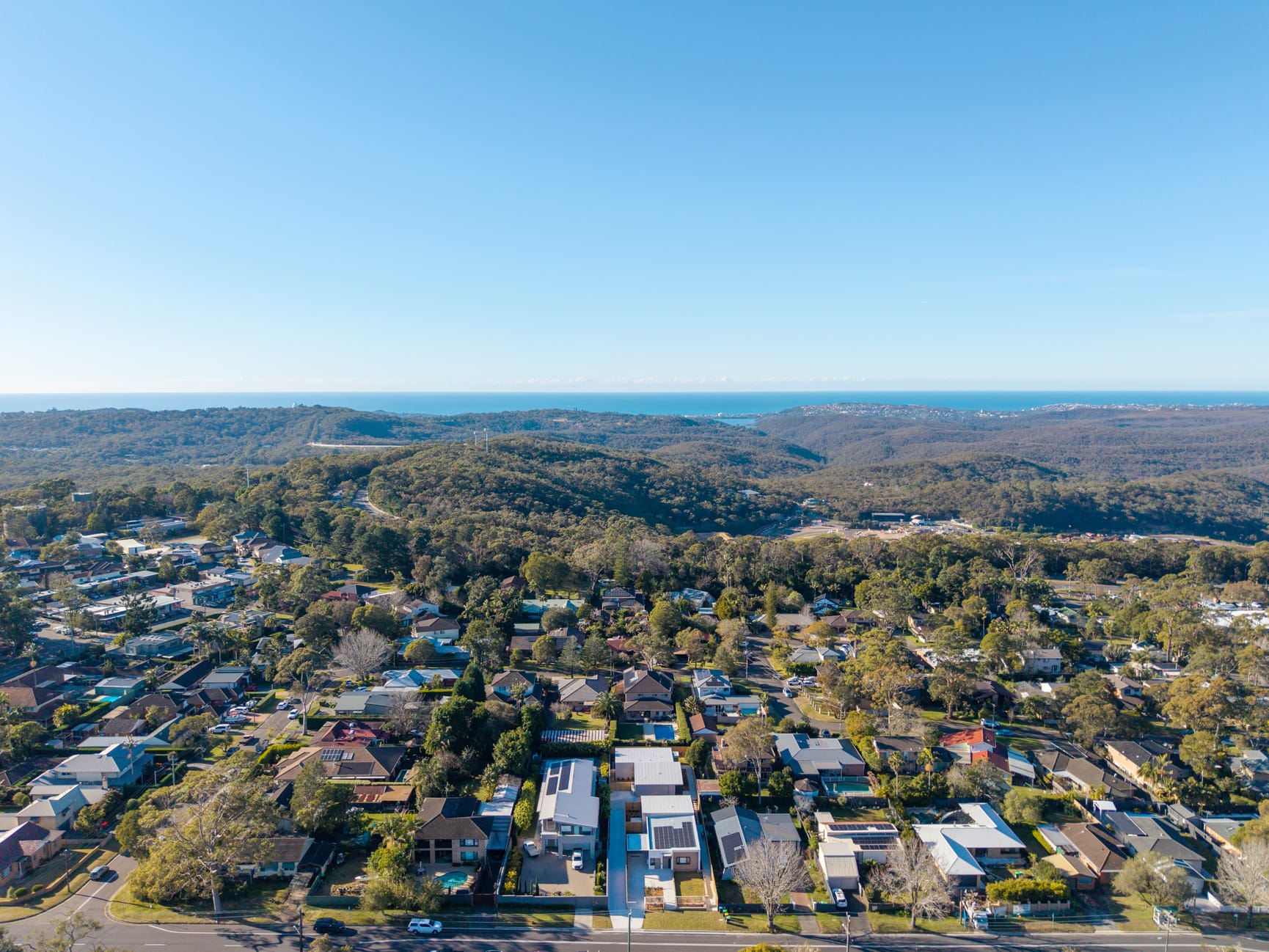
Specialist Disability Accommodation (SDA) is a core component of Australia’s National Disability Insurance Scheme (NDIS) and an increasingly important part of the nation’s social infrastructure. It delivers meaningful improvements in quality of life for individuals with significant disability, while also representing a compelling and underinvested segment of Australia’s alternative real estate market.
With more than $14 billion in capital required to deliver approximately 5,000 new dwellings by 2033, SDA presents a significant opportunity for private capital to partner with government in addressing a critical infrastructure gap.1
The core purpose of SDA – a core pillar of social infrastructure
The SDA framework was designed to encourage private capital to help fund and deliver purpose-built housing for the small proportion, approximately 3.5%, of NDIS participants with the highest support needs.2 Despite having some of the most vulnerable individuals within the scheme, the NDIS-funded accommodation payments supporting SDA represent around 1.1% of the total NDIS budget. SDA funding sits at the very core of what the NDIS was originally created to do.
SDA is purpose built and designed to provide modern, accessible housing that improves independence, choice and long-term wellbeing for participants with extreme functional impairment or very high support needs, while also supporting more efficient delivery of care. This includes the development of housing built to high accessibility standards – features such as wider doorways, fully accessible bathrooms, ceiling hoists, emergency backup power, and integrated smart-home technology deliver both safety and empowerment.
Importantly, SDA represents a deliberate shift away from outdated and often inappropriate living arrangements, including aged care facilities, hospitals, and legacy group homes, towards contemporary, participant-centric environments that prioritise choice and greater independence.
A cost mitigant across the broader healthcare ecosystem
Purpose-built SDA is not simply a replacement for legacy accommodation – it is designed to materially improve participant outcomes while also delivering measurable benefits to Australia’s healthcare system.
Evidence shows that well-designed SDA can reduce daily support needs by an average of 2.4 hours per participant, equating to more than $60,000 in annual savings per person.3
Due to a lack of suitable housing, many participants remain in hospitals or inappropriate care settings, contributing to capacity pressures within the healthcare system and increasing overall care costs. More than 1,100 patients remain in hospital despite being medically ready for discharge and eligible for SDA support, at an estimated cost of $2,500 per night per bed, or approximately $2.8 million per day.3
In this context, SDA is not a cost burden, but rather a cost mitigant across the broader NDIS and healthcare ecosystem.
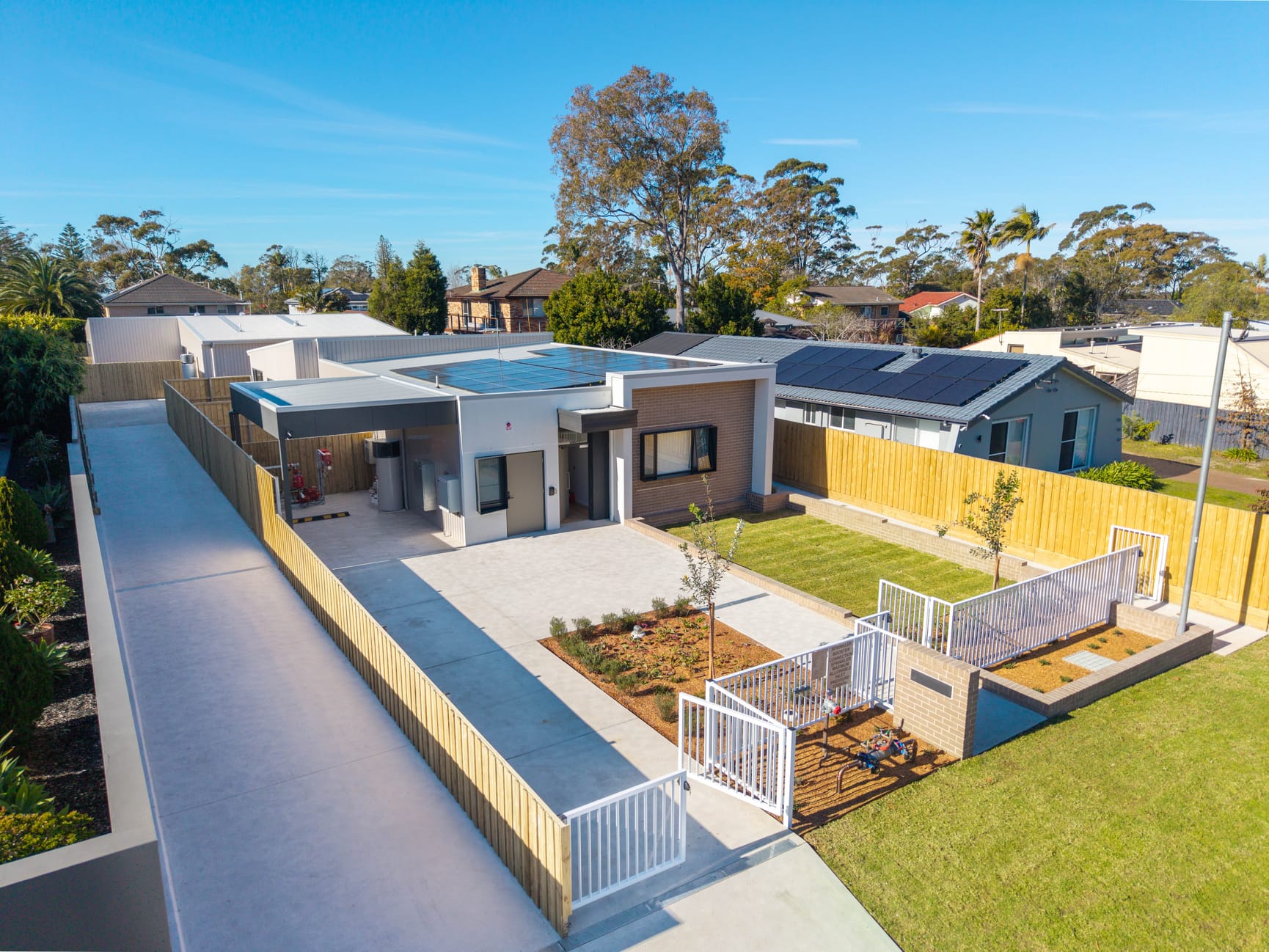
Recent scrutiny of the sector has reinforced the importance of delivering high quality and well-located housing aligned with participant needs. While substantial investment has flowed into SDA, supply, quality and availability of housing remain inconsistent across parts of the market. In some cases, legacy dwellings – often more than 20 years old – continue to accommodate participants despite no longer reflecting current housing and care standards. At the same time demand remains acute, with a significant proportion of eligible participants unable to access appropriate accommodation.
These factors reinforce SDA’s role as essential national infrastructure rather than simply a niche housing category, facilitating access to high-quality, purpose-built housing solutions aligned to participants’ individual needs and preferences.
The 2026 Federal Budget: refocussing the NDIS on its original intent
Announcements made in the 2026 Australian Federal Budget reinforce the central challenge facing the NDIS: balancing the need to provide high-quality support for participants with the highest needs, while ensuring the scheme remains financially sustainable, appropriately governed and focused on long term value for money.
Recent policy direction appears increasingly focused on improving integrity, tightening eligibility settings and reducing inefficiencies, while preserving strong support for the people the scheme was originally designed to assist.
In our view, tighter governance and stronger integrity measures are likely to benefit institutional quality SDA providers by directing capital and funding toward genuine high-need participants and better-quality accommodation outcomes.
When delivered effectively, purpose-built accommodation can help participants transition into more suitable homes, reduce daily support needs and improve long-term outcomes.
A fragmented market: a challenge and an opportunity
Despite strong and growing demand, the SDA market remains fragmented and, in many areas, inefficiently allocated.
Oversupply in certain geographies exists alongside acute shortages in others, driven by inconsistent data, limited coordination, and an evolving understanding of participant preferences. At the same time, as aforementioned, a significant proportion of existing housing stock is ageing and becoming obsolete, further amplifying the need for new, well-designed dwellings.
This imbalance presents both a challenge and a compelling opportunity.
Some areas of the market have experienced periods of oversupply, particularly where development has occurred ahead of participant demand or without sufficient consideration to participant location or housing preferences. In some cases, investment assumptions have proven difficult to sustain as the market has evolved. Importantly, where these projects underperform, the financial risk is borne by private investors rather than taxpayers.
By contrast, SDA providers focussed on well located, participant led housing have generally achieved strong outcomes for both participants and investors. This highlights a key distinction within the sector: success is not determined by the volume of supply delivered, but by the quality, location and suitability of the accommodation provided.
With an estimated 18,000 additional SDA places, or around 5,000 dwellings, required by 20331 – including the replacement of outdated or non-compliant stock – the sector’s challenge is not to simply deliver more housing stock, but to deliver the right housing. Recent sector issues show that poor locations, outdated or inadequate design, weak participant engagement and fragmented delivery models can result in homes that technically increase supply but do not solve participant need.
Future investment must therefore be focused on high-quality, well-located, purpose-built accommodation that aligns with participant preferences and long-term care requirements.
The case for institutional quality capital
The SDA sector is entering a phase where institutional-quality capital, disciplined site selection, and data-driven investment strategies will be critical to delivering sustainable outcomes for both participants and investors.
As the market matures, there is also increasing potential for operational efficiencies, scale advantages, and technological innovation to enhance participant experience, improve asset returns and drive further institutionalisation of the sector. Over time, participants may benefit from a more scaled and professional provider landscape characterised by well-capitalised SDA providers with strong governance, robust compliance frameworks and long-term investment horizons, rather than a highly fragmented market of smaller providers with varying levels of capability.

Institutional ownership can also support the gradual separation of housing ownership from support delivery. As the sector matures, specialist care providers are increasingly recognising that owning and managing housing assets is not core to their primary role of delivering participant care and support services. This creates an opportunity for institutional owners to acquire, upgrade and professionally manage SDA assets, while allowing care providers to focus on what they do best: delivering high-quality support services to participants.
The case for investing in SDA
For investors, SDA offers a differentiated exposure to social infrastructure underpinned by strong structural fundamentals:
- Government-backed, inflation-linked income. SDA revenue is supported by NDIS funding, with around 90% of income non-discretionary and directly tied to participant entitlements. Annual inflation-linked uplifts and periodic market review provide protection against inflation and long-term, stable cash flows.
- Structural demand tailwinds. Demand is driven by demographic trends, increasing awareness, and a shift towards participant-led housing, supporting long-term occupancy and revenue resilience.
- Attractive risk-adjusted returns and capital growth. Investments are typically underpinned by freehold residential property, offering exposure to land value appreciation and potential development upside, particularly in high-growth metropolitan and regional corridors.
- Early-stage market with institutionalisation upside. SDA remains an underinvested segment of Australia’s alternative real estate market. As the sector matures, it is expected to benefit from further efficiencies, technological innovation, and operational scale advantages, enhancing returns and compressing capitalisation rates.
- Tangible social impact. Investment in SDA directly contributes to improved living outcomes for participants, delivering measurable social value alongside financial returns.
Importantly, the sector benefits from strong bipartisan government support, with SDA funding forming a small but critical component of the NDIS and expected grow materially over the coming decade.
Why we can’t afford SDA to underperform
The challenges currently facing the SDA sector underscore a simple truth: the long-term success of the SDA sector is increasingly important for participant, government and the broader healthcare system. The quality and availability of appropriate housing have significant implications for participant outcomes and long term system sustainability.
When delivered effectively, SDA demonstrates how private capital, SDA providers and government can work together to deliver essential infrastructure, generating both enduring societal outcomes and resilient, long-term investment returns.
The opportunity is not simply to build more homes. It is to build the right homes, in the right locations, for the right participants, with the right long-term ownership and operating models.
For more information about our alternative real estate investment solutions, please get in touch.
1. EY Specialist Disability Accommodation Market Overview (2024).
2. NDIS Quarterly Report Supplements, 2025.
3. The Australian. April 2026. Run-down homes, empty beds: NDIS housing failures cost taxpayers millions daily.
Important Information: This material has been prepared by MA Asset Management Ltd (ACN 142 008 535) (AFSL 327 515). The material is for general information purposes and must not be construed as investment advice. This material does not constitute an offer or inducement to engage in an investment activity nor does it form part of any offer or invitation to purchase, sell or subscribe for in interests in any type of investment product or service. This material does not take into account your investment objectives, financial situation or particular needs. You should read and consider any relevant offer documentation applicable to any investment product or service and consider obtaining professional investment advice tailored to your specific circumstances before making any investment decision. Any investment in a fund managed by MA Financial Group is subject to the terms and conditions of the relevant fund offer document. This material and the information contained within it may not be reproduced or disclosed, in whole or in part, without the prior written consent of MA Asset Management Ltd. Any trademarks, logos, and service marks contained herein may be the registered and unregistered trademarks of their respective owners.
Nothing contained herein should be construed as granting by implication, or otherwise, any licence or right to use any trademark displayed without the written permission of the owner. Statements contained in this material that are not historical facts are based on current expectations, estimates, projections, opinions and beliefs of MA Asset Management Ltd. Such statements involve known and unknown risks, uncertainties and other factors, and undue reliance should not be placed thereon. Additionally, this material may contain “forward-looking statements”. Actual events or results or the actual performance of MA Asset Management Ltd or an MA Asset Management Ltd financial product or service may differ materially from those reflected or contemplated in such forward-looking statements. Certain economic, market or company information contained herein has been obtained from published sources prepared by third parties. While such sources are believed to be reliable, neither MA Asset Management Ltd, MA Financial Group or any of its respective officers or employees assumes any responsibility for the accuracy or completeness of such information. No person, including MA Asset Management Ltd and MA Financial Group, has any responsibility to update any of the information provided in this material.